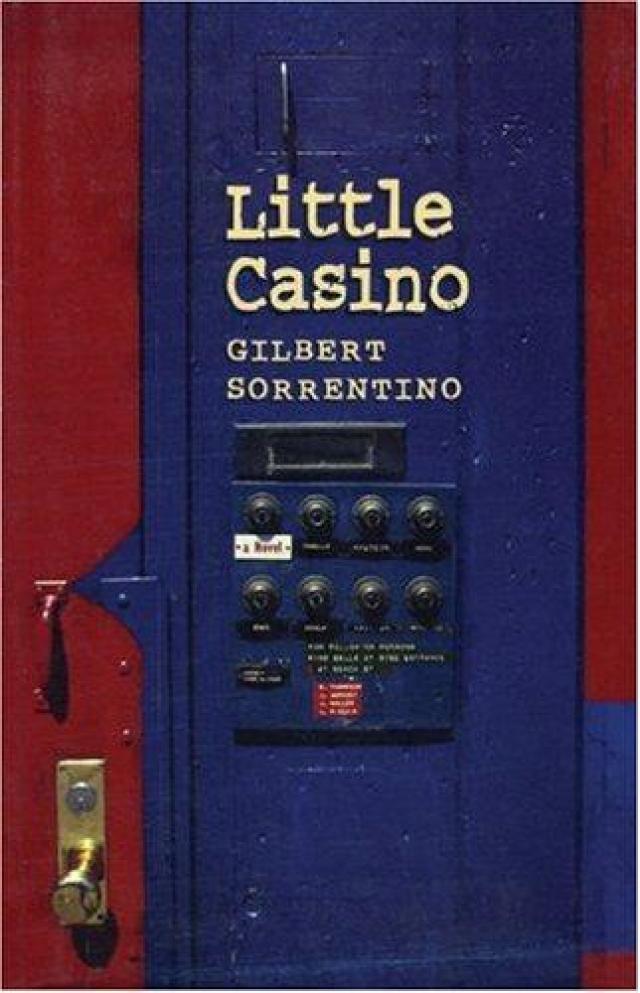
In this novel of superbly stylized fragments of memory, Sorrentino captures the grit of golden-era Brooklyn. Each episode, affectingly textured with naked detail, is followed by the narrator’s deeper, more subjective climb down to the very bones of pure, poetic recollection. The reader, as though privy to a penetrating pyschological confession, accompanies the narrator, ferreting out the gristle and unconventional beauty found among the scrappy immigrant boys, hard-drinking blue-collar stiffs, and poor, sexy, and magenta-lipped women who inhabit the novel.“Each of the novel’s 52 chapters can stand as an individual (albeit fleeting) narrative, and when taken as such, the parts become more than the whole. By themselves, the chapters are easily digestible morsels of delicious prose self-contained stories that offer sometimes dreamy, sometimes gritty glimpses into ordinary lives.” —Publishers WeeklyFrom Publishers WeeklyOften poetic in its digressive excursions into the minds of postwar Brooklyn denizens, this slender novel by Sorrentino (Mulligan Stew) zooms across time and geography on a dizzy journey of names, memories and tangents. The acclaimed poet and novelist stitches together disparate narratives, finding links between anonymous characters stepping into the story, whether for a page or several chapters. Deciphering the plot (or plots, as numerous story lines war with one another) proves nearly impossible and will frustrate some readers. The prose takes on a stream-of-consciousness quality that threatens to overwhelm with detours into sexual forays, short treatises on the origins of military slang expressions, hustling New York bookies and sundry other topics. Each of the novel's 52 chapters can stand as an individual (albeit fleeting) narrative, and when taken as such, the parts become more than the whole. By themselves, the chapters are easily digestible morsels of delicious prose self-contained stories that offer sometimes dreamy, sometimes gritty glimpses into ordinary lives. A sense of mischief reigns as the author leaps from character to character, locale to locale and year to year with reckless abandon. Sorrentino adds brief "commentary" at the end of each chapter often clever, frequently poignant, occasionally unintelligible. Mostly, though, his delivery is frank and relaxed, as if the reader were an old friend. Author tour. (May)Forecast: Sorrentino is well known to followers of innovative writing, and blurbs by Don DeLillo and David Markson should attract some mainstream browsers to this distinctive title.Copyright 2002 Cahners Business Information, Inc. About the AuthorA luminary of American literature, Gilbert Sorrentino was a boyhood friend of Hubert Selby, Jr., a confidant of William Carlos Williams, a two-time PEN/Faulkner Award finalist, and the recipient of a Lannan Literary Lifetime Achievement Award. He taught at Stanford for many years before returning to his native Brooklyn and published over thirty books before his death in 2006.
Read online